

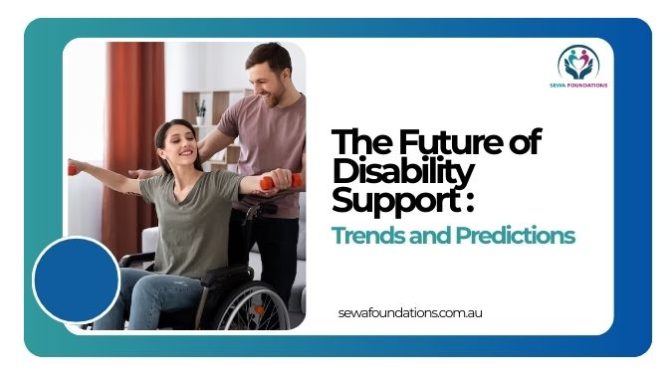
Perth’s disability sector is changing—steadily and compassionately. As Western Australia builds on its State Disability Strategy and local inclusion plans, disability support services in Perth are shifting from one-size-fits-all models to more personalised, tech-enabled, and community-centered approaches. Here are the key trends and what they mean for people with disabilities, families, and providers in Perth.
Person-Centred, Outcome-Focused Supports
Across WA, there’s a growing emphasis on supports that focus on what people want to achieve—not just on which services they receive. The State Disability Strategy and Disability Access and Inclusion Plans (DAIPs) in WA highlight practical actions to increase employment, participation, and accessible communities, putting participant goals at the centre of planning and service design.
Smarter Assistive Technology And Home Automation
Assistive technology is becoming more affordable, reliable, and mainstream. From speech and communication apps to smart home controls and fall-detection systems, tech is helping more people live independently and safely at home. Perth providers who understand how to combine human support with technology will be well placed to deliver better outcomes.
New Directions In Employment Support
National reforms to disability employment programs are reshaping how people find and keep work. The move towards more inclusive employment models aims to support people into open jobs, with tailored workplace adjustments and employer partnerships. For Perth jobseekers, this means stronger local pathways and more employer engagement — if providers and employers collaborate effectively.
Workforce Development And Capability Building
Perth’s sector faces workforce pressures—but also opportunity. Staff development, lived-experience leadership, and culturally safe practice will be essential. Organisations that invest in training, fair rostering, and genuine career paths will retain skilled workers and provide steadier support for participants.
Community Inclusion And Universal Design
Cities that plan for accessibility benefit everyone. Perth councils and businesses are increasingly implementing DAIPs and making public spaces, transport, and workplaces more inclusive. Universal design—from ramps and audio cues to inclusive events—will reduce barriers and increase social participation.
Data, Transparency And Co-Design
Expect stronger use of data to measure outcomes and a shift towards co-design with people who have lived experience. That means Perth services will be judged less on activity and more on whether they genuinely support independence, well-being, and community connection.
What does this mean for Perth families and participants?
Practically, these trends should deliver more choice, smarter support plans, and better local jobs. To get the best outcomes, participants should ask potential NDIS service providers in Perth about tech options, employer links, staff training, and how participants shape services. Providers and local employers must keep listening, adapt quickly, and collaborate across the health, education, and employment sectors.
Perth’s future in disability support looks hopeful—driven by personalised supports, better technology, stronger employment pathways, and a community that’s learning how to include everyone. If policymakers, providers, and the Perth community continue to work together, these trends can translate into real, lasting change for people with disabilities across the city.
Discuss Your NDIS Requirements With Us
To discuss your NDIS needs with Sewa Foundations, a trusted disability services and support organisation, call 1800 325 088 today.
Frequently Asked Questions for Disability Support
- How will personalised disability supports change NDIS planning in Perth?
They’ll focus more on individual goals, outcomes, and local community participation rather than standard service packages.
- What role will assistive technology play in future disability support?
It will enhance independence through smart home systems, communication tools, and safety technologies integrated with human support.
- Are disability employment opportunities improving in Western Australia?
Yes, reforms and employer partnerships are creating more inclusive pathways into open employment across WA.
- How can Perth providers prepare for future workforce challenges?
By investing in training, flexible work conditions, and culturally safe practices to retain skilled support workers.
- Why is community inclusion becoming a major focus in disability services?
Inclusive public spaces and universal design reduce barriers and increase social and economic participation.
- How will data and transparency affect disability support providers?
Providers will be measured more on outcomes and participant satisfaction than service volume alone.
- What does co-design mean in disability support services?
It involves people with lived experience actively shaping services, policies, and support models.
- Will technology replace support workers in the future?
No, technology will complement human support, improving efficiency while maintaining personal care.
- How can families choose future-ready disability providers in Perth?
By asking about technology use, employment links, staff training, and participant-led planning.
- What is the biggest change coming to disability support in Perth?
A shift towards flexible, person-centred supports that prioritise independence, inclusion, and long-term well-being.

